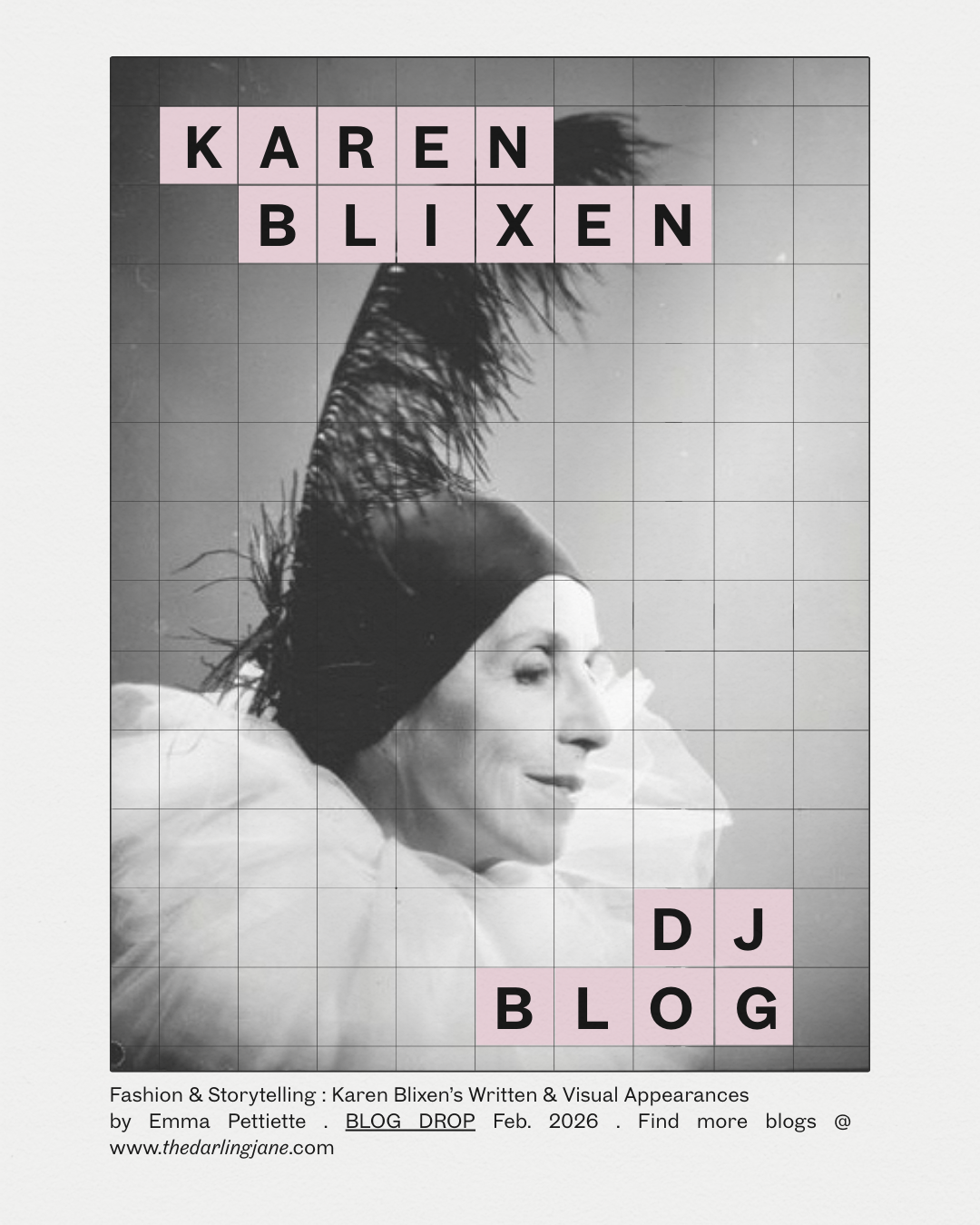
Fashion & Storytelling: Karen Blixen’s Written & Visual Appearances
“God made the world round so we would never be able to see too far down the road.”
Karen Christenzte Blixen (1885-1962) was a Danish woman of one thousand names and a loose pen begging to kiss parchment paper. She is known under her pen names Isak Dinesen, Tania Blixen, Osceola, and Pierre Andrézel, depending on the country her book was sold in. Blixen is best known for her memoir Out of Africa, in which she tells the story of her life in Kenya running a coffee plantation. Her writing was considered for the Nobel Prize in literature several times. Blixen’s personal style involved gothic elements and aristocratic themes. Her early life was tainted by the suicide of her father, her onset of syphilis from her husband’s affairs, and the failure of her marriage. Modern speculation presumes that her daily doses of mercury tablets contributed to metal poisoning and her continually declining physical state. Despite the hardship she endured and her continuous search for purpose through writing, Blixen would prove to be deeply artistic and visually compelling.
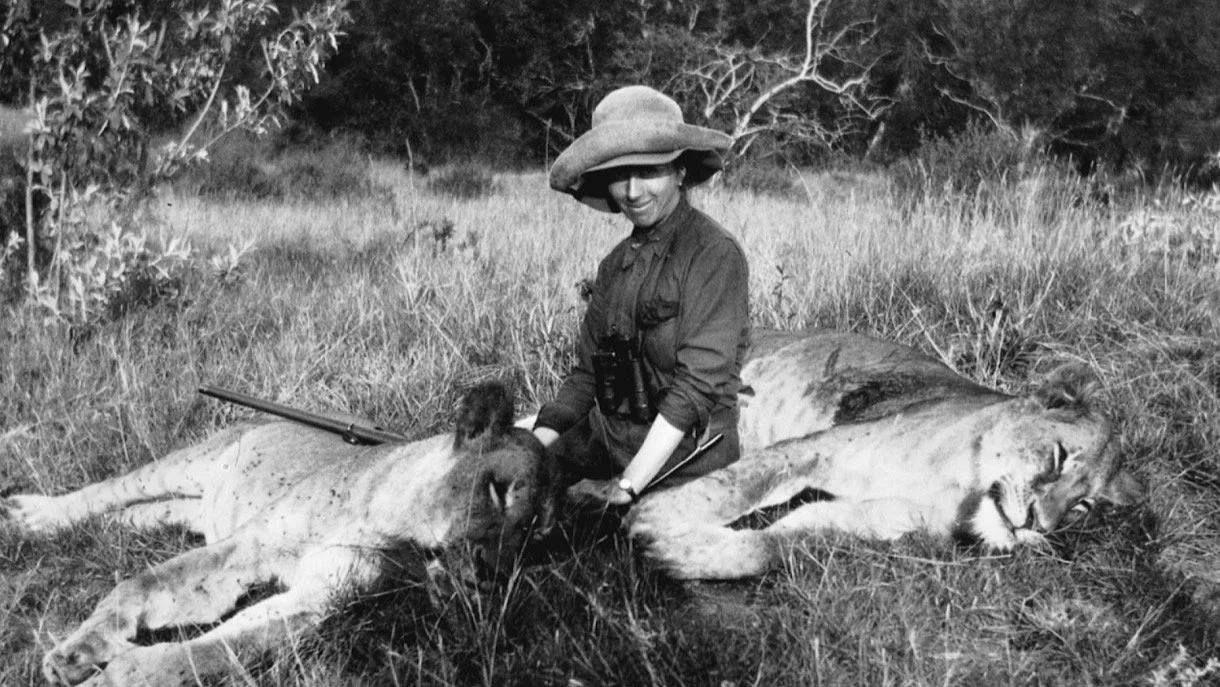
Blixen viewed clothing as a form of artistic expression and maintained her necessity for luxury even in the wild terrain of Kenya. She particularly enjoyed wearing hats and ordering clothing from Paris. When examining photos, she quickly becomes an enigma; in one photo, she is adorned with high, cascading feathers and thick fur, and in others, she is kneeling over dead tigers, clutching a rifle to her side and the hat of an outdoorsman shading her face from the beating sun. Blixen’s style is representative of the countless overlapping lives she has lived, symbolized by her contrasting pen names. “I am really three thousand years old, and have dined with Socrates,” She ominously tells an interviewer at A Rabbit's Foot, to which he replies with only: “Pardon?” Her life in Kenya was marked by alcoholism, drug addiction, and an absent husband who left her barren of children. Her syphilis infection, primitive poisonous intake of mercury and arsenic compounds were backdropped with the isolated and unkempt African coffee plantation. Her introduction into writing and life going forward was described as “folding in on and out from itself, an origami display of tragedy and adventure and fame that at times became too creased with disinformation and invented...”
Alongside Blixen’s experience of illness and fragile physical state, she also suffered from anorexia with self-enforced malnutrition and the overuse of strong laxatives. Her adjacent silhouettes are thin-framed, clothing tightly fitting, fingers stretching, and long. Unfortunately, time would illuminate her health dilemmas with hollowed eyes, nonetheless glowing brightly for the camera. Like many misunderstood female artists, there is immense speculation on her true cause of death, whether that be complications of syphilis treatment, her aggressive eating disorder, or a mixture of the two. Regardless, her life spins a tale of transparency, isolation, and the great unknown. Her legacy is immortalized through cinema and the visual arts. In the world of Blixen, fashion served as both a candid illustration of where she had been and as a melodramatic proof of the hope and overwhelming lust she had for life and the lived experience.
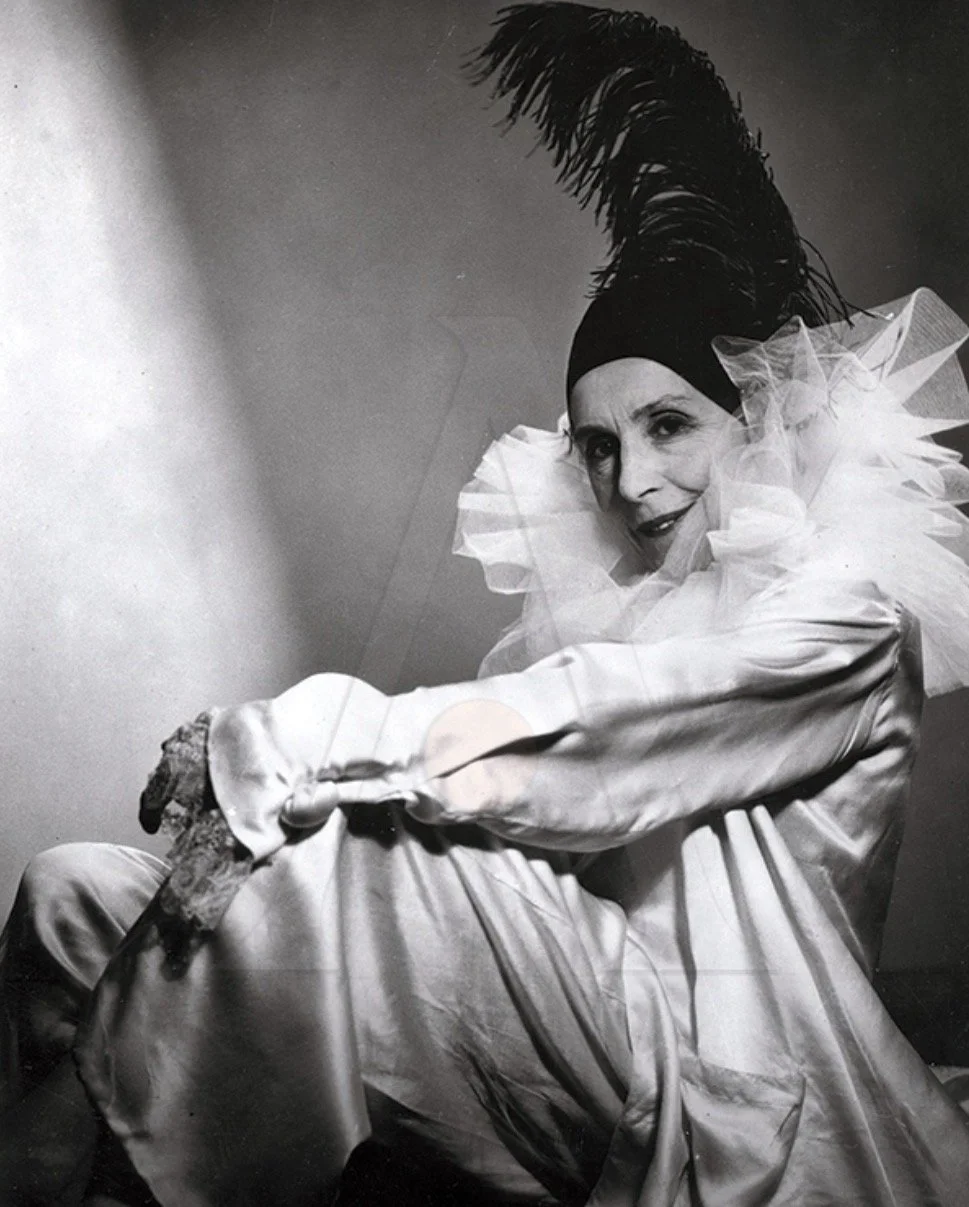
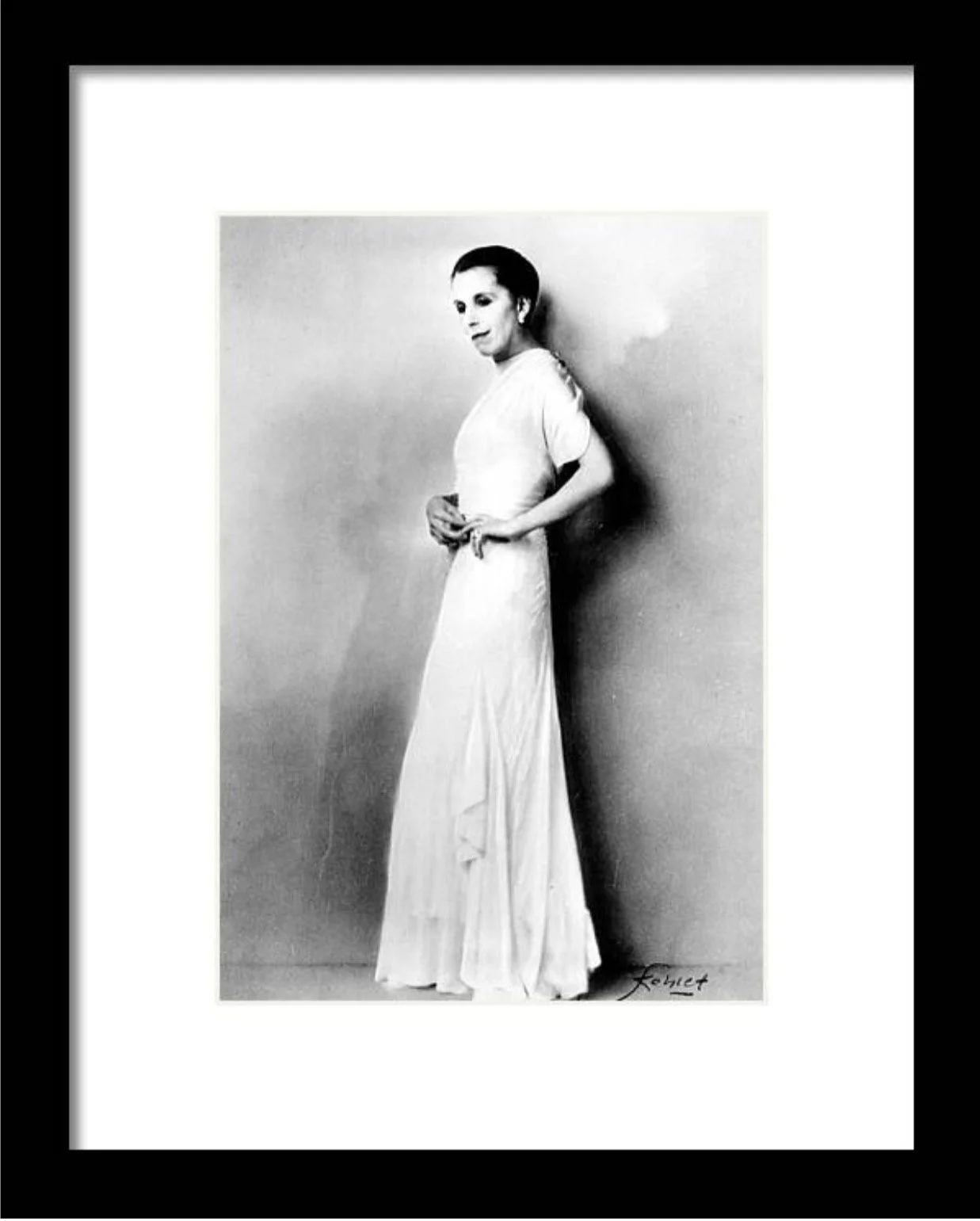
This paradox exists in the present day: tailoring personal styles into the future or perfectly embodying the present moment. Oftentimes, the way we look tends to borrow from both perspectives: who we are and who we would like to be. The overexposure to clothing and physical appearance creates tension around being authentic. They write of Blixen’s bold glamour with an irony, as if she is winking at us through her portraits. The assumption that her mystique is calculated, purposely contrasted against her fading body as a way to declare her slow demise in a victorious, unserious, beckoning manner. Even with the evidence of decades of consistency and admiration for her unique personal style, critics still feel comfortable considering it as performative. Consumers are continually faced with the task of redefining the boundaries of their physical appearance in a way that is not only logical to their audience but also effortless enough that there is no forethought. The use of premeditation and intention allegedly points to a degree of falsehood that is easy to fear.
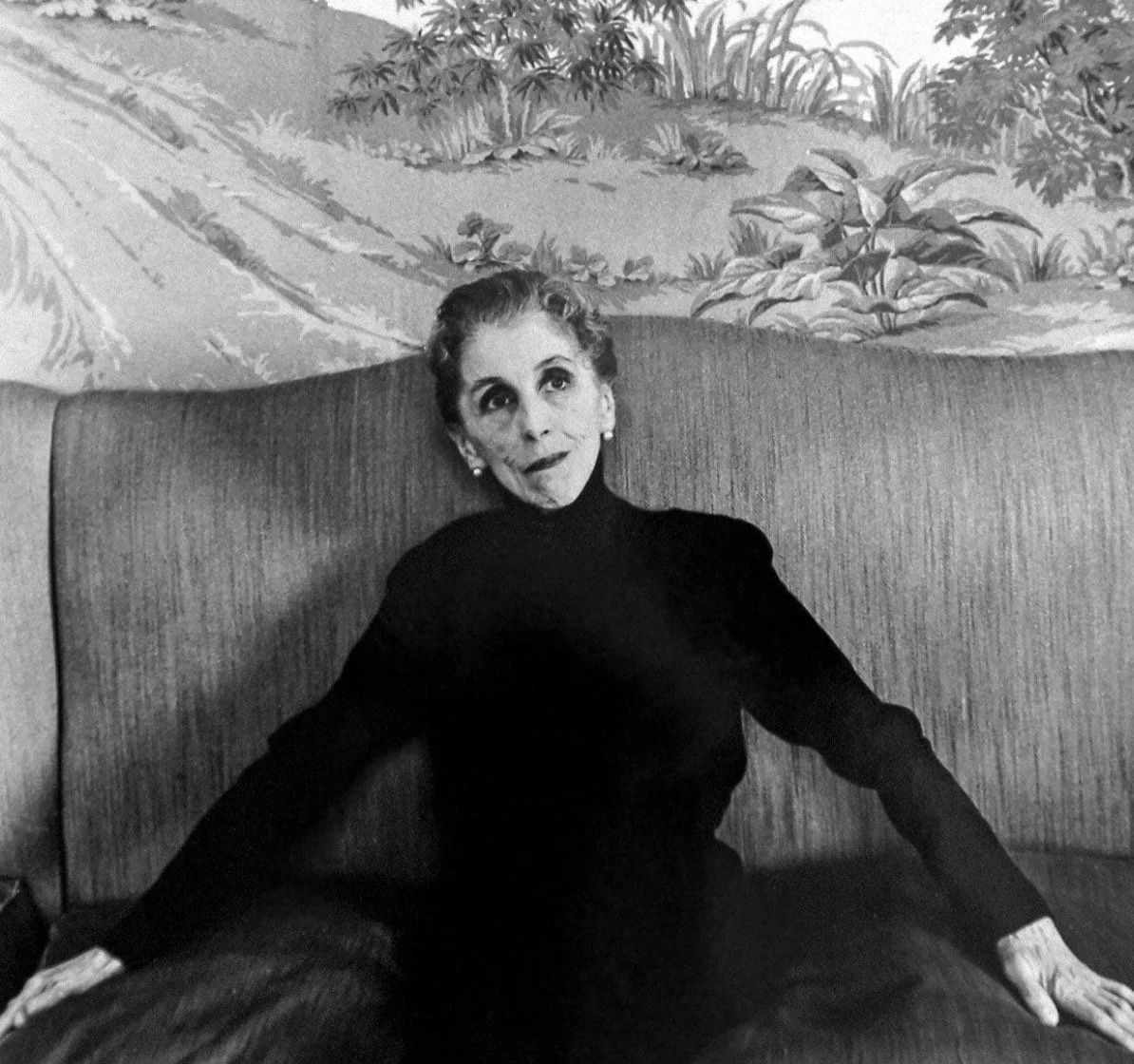
If you have to think about something so much, can you really say it is natural to you? People are conditioned to weed out the kernels of truth from overwhelming floods of dishonesty, even deriving personal pleasure in their ability to discern. The consumer, as an agent perusing the aisles of a grocery store, can point to the market tactics and disbeliefs in social media content. They must assure themselves of there being no wool clouding their vision. I think it is okay to try to be someone you aren’t quite sure you understand yet; to think too long while staring at your closet, or mold yourself into a different image each day. The human desire for honesty creates an unappreciation for the beautiful, sprawling dishonesty that exists, contorts, and reinvents what life can be. In many ways, we all exist like Karen Blixen: in an abundance of lives, with shining youthful eyes, and a trail of critics behind us questioning if we’ve strung them along to our own inside joke the whole time. To that I would reply: let them wonder.
“People who dream when they sleep at night know of a special kind of happiness which the world of the day holds not, a placid ecstasy, and ease of heart, that are like honey on the tongue. They also know that the real glory of dreams lies in their atmosphere of unlimited freedom.”
Georgiades, L. (2023, September 8). On Karen Blixen: Dane, Countess, Stoic, Syphilitic, Storyteller - A Rabbit’s Foot. A Rabbit’s Foot. https://a-rabbitsfoot.com/editorial/culture/on-karen-blixen-dane-countess-stoic-syphilitic-storyteller/
Out of Africa – 10 Inspirational Quotes from Karen Blixen. (2015, November 4). 5-Minute History. https://fiveminutehistory.com/out-of-africa-10-inspirational-quotes-from-karen-blixen/
Karen Blixen Museum. (2026). Blixen.dk. https://blixen.dk/en/karen-blixen/karen-blixens-life/karen-blixens-time-in-africa